
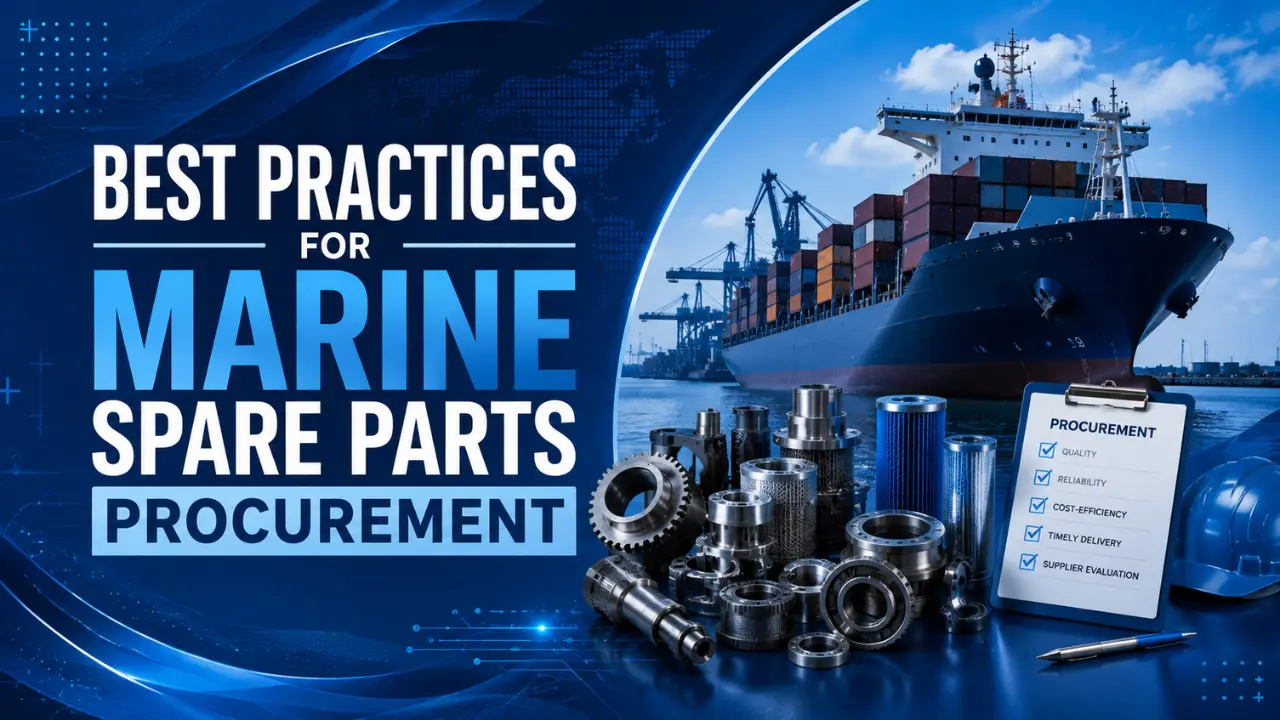
Ensuring Reliability Through Strategic Procurement
Marine vessels operate in some of the world’s most demanding environments. Whether managing commercial shipping fleets, offshore support vessels, fishing operations, or luxury yachts, maintaining access to reliable spare parts is essential for ensuring safety, minimizing downtime, and maximizing operational efficiency.
A well-planned marine spare parts procurement strategy helps organizations reduce maintenance costs, improve vessel availability, and avoid costly disruptions caused by unexpected equipment failures. By adopting industry best practices, marine operators can strengthen their supply chains and keep their vessels operating at peak performance.
Why Marine Spare Parts Procurement Matters
Marine equipment is subjected to continuous wear from harsh environmental conditions, including saltwater exposure, extreme weather, vibration, and heavy operational demands.
Without timely access to quality spare parts, operators may face:
- Increased vessel downtime
- Delayed maintenance schedules
- Reduced operational efficiency
- Higher repair costs
- Safety risks
- Regulatory compliance issues
An effective procurement process ensures critical components are available when needed while maintaining cost control and operational reliability.
1. Develop a Comprehensive Spare Parts Inventory Strategy
One of the most effective ways to reduce downtime is maintaining a well-organized inventory of critical spare parts.
Marine operators should identify:
- Mission-critical components
- High-wear equipment
- Frequently replaced parts
- Long lead-time items
- Emergency repair components
Inventory planning allows maintenance teams to respond quickly to equipment failures without waiting for urgent deliveries.
Key Benefits
- Faster repairs
- Reduced vessel downtime
- Improved maintenance planning
- Lower emergency procurement costs
2. Source from Trusted and Approved Suppliers
Choosing reliable suppliers is essential for maintaining equipment performance and safety.
Reputable marine suppliers provide:
- Genuine OEM parts
- Certified aftermarket components
- Quality assurance documentation
- Technical support
- Product traceability
Working with established suppliers helps ensure consistent product quality while reducing the risks associated with counterfeit or substandard parts.
3. Prioritize Product Quality Over Lowest Cost
While controlling procurement expenses is important, selecting components based solely on price can create long-term operational problems.
Low-quality parts may result in:
- Premature failures
- Increased maintenance frequency
- Reduced equipment lifespan
- Safety concerns
- Higher total operating costs
Investing in reliable, certified components often delivers greater value through improved durability and performance.
4. Implement Predictive Maintenance Planning
Modern marine operations increasingly use predictive maintenance strategies to anticipate equipment failures before they occur.
By analyzing equipment performance data, operators can forecast future spare parts requirements and procure components proactively.
Benefits include:
- Reduced emergency repairs
- Improved maintenance scheduling
- Better inventory control
- Lower operating costs
- Increased equipment reliability
5. Maintain Accurate Procurement Records
Documentation plays a critical role in marine asset management.
Every purchased component should be tracked through:
- Purchase records
- Supplier certifications
- Installation history
- Maintenance logs
- Warranty documentation
Accurate records improve compliance, simplify audits, and support effective lifecycle management.
6. Strengthen Supply Chain Resilience
Global supply chain disruptions can significantly impact marine operations.
To reduce procurement risks, organizations should:
- Establish multiple supplier relationships
- Diversify sourcing locations
- Monitor lead times
- Maintain safety stock for critical items
- Plan for seasonal demand fluctuations
A resilient supply chain helps ensure continuous operations even during market disruptions.
7. Leverage Global Procurement Networks
Marine operators often require specialized parts that may not be available locally.
Global sourcing networks provide access to:
- OEM manufacturers
- Specialized equipment suppliers
- Hard-to-find components
- Competitive pricing opportunities
- Faster international procurement options
Partnering with an experienced procurement provider can simplify global sourcing and logistics management.
8. Focus on Regulatory Compliance
Marine operations are subject to strict international regulations and safety standards.
Procurement teams should ensure that all components meet relevant requirements and certifications.
Compliance considerations may include:
- Classification society standards
- IMO requirements
- Manufacturer specifications
- Safety certifications
- Environmental regulations
Using compliant components helps protect vessel safety and avoid operational penalties.
Common Challenges in Marine Spare Parts Procurement
Many organizations face procurement challenges such as:
- Long supplier lead times
- Counterfeit components
- Inventory shortages
- Rising logistics costs
- Limited supplier visibility
- Complex international shipping requirements
Addressing these challenges requires proactive planning, trusted supplier relationships, and efficient procurement processes.How Technology is Improving Marine Procurement
Digital procurement tools are transforming the marine industry.
Modern technologies provide:
- Real-time inventory visibility
- Automated purchasing workflows
- Predictive demand forecasting
- Supplier performance tracking
- Asset lifecycle management
These capabilities enable marine operators to make faster, data-driven procurement decisions while reducing administrative workload.
Why Choose Ameau Industries
At Ameau Industries, we provide reliable marine spare parts sourcing and procurement solutions through an extensive international network of OEM manufacturers, approved suppliers, and logistics partners.
Our team helps marine operators secure high-quality components with complete traceability, quality assurance, and efficient global delivery. Whether supporting routine maintenance or urgent operational requirements, we deliver dependable procurement solutions designed to keep vessels operating safely and efficiently.
Final Thoughts
Effective marine spare parts procurement is more than purchasing replacement components—it is a strategic function that directly impacts vessel performance, safety, and profitability.
By implementing strong inventory management practices, sourcing from trusted suppliers, leveraging predictive maintenance strategies, and maintaining supply chain resilience, marine operators can significantly reduce downtime and improve long-term operational success.
Investing in a proactive procurement strategy today helps ensure reliable, efficient, and cost-effective marine operations for the future.